
C1337 Code - Diameter of the Tire is not Uniform
Quick Answer
The C1337 diagnostic trouble code indicates that the diameter of the tire is not uniform. Common causes include Installing mismatched tires, Replacing tires with different sizes, Mixing tire brands with varying tread depths. Severity is High - diagnose this code as soon as possible. Driving is not recommended if the warning light is flashing, the engine runs poorly, or safety-related symptoms are present.
- What it means
- C1337 indicates Diameter of the Tire is not Uniform.
- Common causes
- Common causes include Installing mismatched tires, Replacing tires with different sizes, Mixing tire brands with varying tread depths.
- Severity
- High - diagnose this code as soon as possible.
- Can I drive?
- Driving is not recommended if the warning light is flashing, the engine runs poorly, or safety-related symptoms are present.


Fix Your Car Smarter
Try the New AutoCodes App!
Get complete OBDII diagnostics, repair solutions, and cost estimates, plus AI chat support on demand.

Code C1337 Description
The C1337 diagnostic trouble code indicates that the diameter of the tire is not uniform. This means that there is a discrepancy in the size of the tires mounted on the vehicle. Tires with different diameters can cause imbalance in the vehicle's performance, affecting the handling, stability, and overall driving experience.
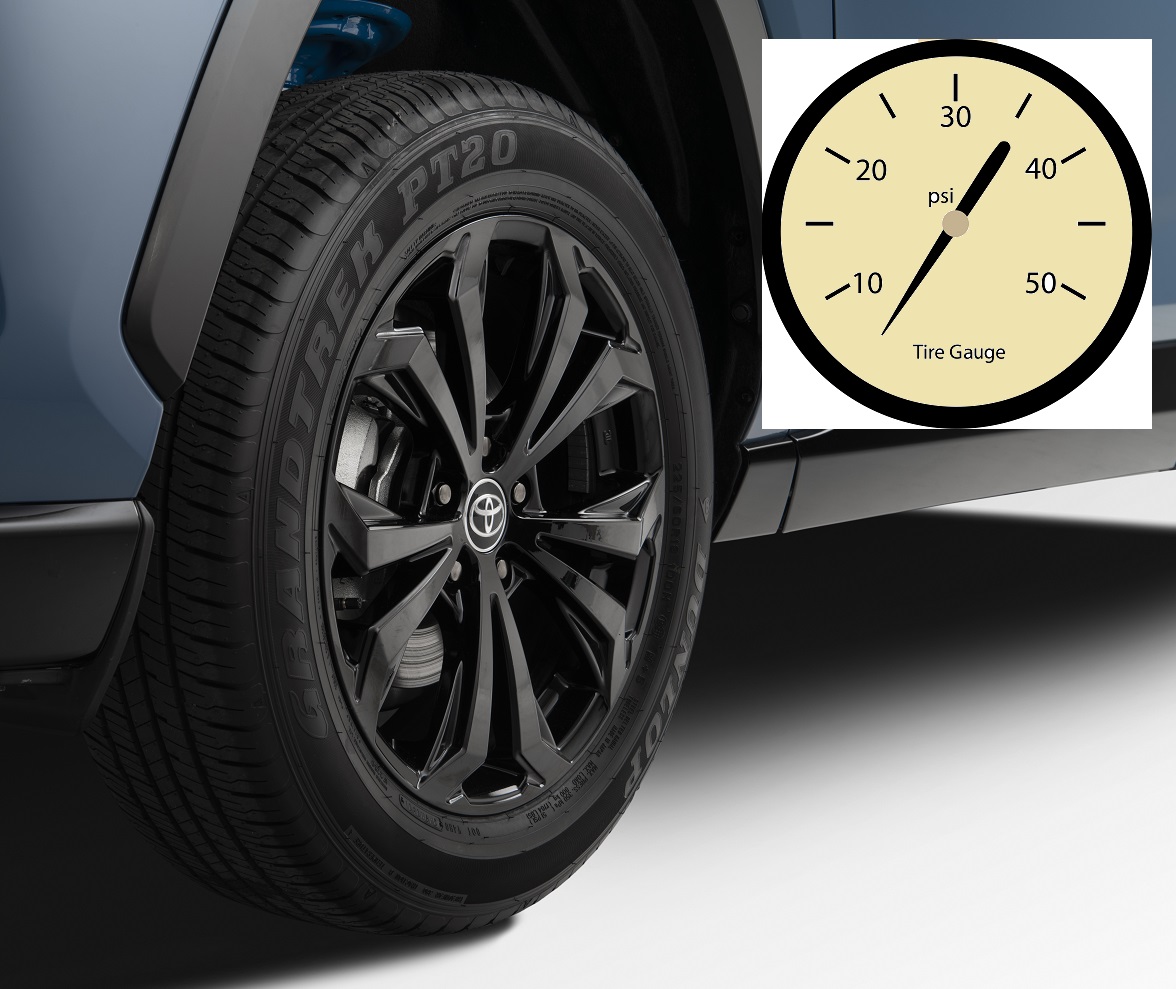
Common Causes of C1337
- Installing mismatched tires
- Replacing tires with different sizes
- Mixing tire brands with varying tread depths
- Using incorrect tire sizes recommended for the vehicle
- Suspension or alignment issues
Symptoms of C1337
- Uneven tire wear
- Vehicle pulling to one side
- Vibration in the steering wheel
- Increased fuel consumption
- ABS or traction control system activation
How to Fix C1337
- Inspect all tires to determine the differences in diameter
- Replace the mismatched tire(s) with tires of the correct size
- Ensure all tires have the same tread depth
- Perform a wheel alignment to correct any suspension issues
- Reset the vehicle's tire pressure monitoring system
Cost to Fix C1337
The cost of resolving the C1337 code can vary depending on the extent of the issue and the specific repairs needed. On average, replacing a single tire can cost between $100 to $300, depending on the tire brand and size. Additionally, a wheel alignment typically costs between $50 to $100. Overall, the total repair costs for addressing the diameter of the tire not being uniform can range from $150 to $500. It's important to note that labor rates and part prices can vary, so it's recommended to consult with a professional mechanic for an accurate cost estimate.
Need more information about the C1337 code?
Need more information on how to fix the C1337 code? Get Access to Factory Service Manuals
Need Help with the Code?
Get the C1337 code diagnosed by a professional: Find a repair shop in your area
Code C1337 Information for Specific Makes
- C1337 Lexus — Diameter of the Tire is not Uniform
- C1337 Scion — Diameter of the Tire is not Uniform
- C1337 Toyota — Diameter of the Tire is not Uniform
Frequently Asked Questions about C1337 Code
1. What does OBDII code C1337 mean?
C1337 indicates that the vehicle's system has detected that the tire diameter is not uniform, which may affect stability and traction control functions.
2. What are the common symptoms of the C1337 code?
Symptoms can include the ABS or traction control warning light turning on, reduced vehicle stability, uneven tire wear, and inaccurate speedometer readings.
3. What causes the C1337 code to appear?
Common causes include mismatched tire sizes, uneven tire wear, improper tire inflation, or installation of non-recommended tires.
4. Can I drive with the C1337 code active?
While the vehicle may still be drivable, it’s not recommended as traction control and ABS systems may be compromised, increasing the risk of accidents.
5. How can I fix the C1337 code?
Inspect the tires for mismatched sizes, uneven wear, or improper inflation. Replace or rotate tires as needed, and reset the system using an OBDII scanner.
6. Can mismatched tire brands trigger the C1337 code?
Yes, even if tires are the same size, differences in tread patterns or wear levels between brands can result in non-uniform tire diameters.
7. Will a tire rotation clear the C1337 code?
A tire rotation may help if the issue is due to uneven wear, but the code will need to be cleared with an OBDII scanner after resolving the problem.
8. Does low tire pressure cause the C1337 code?
Yes, low tire pressure can alter the effective diameter of a tire, potentially triggering this code.
9. Do I need to replace all four tires to fix the C1337 code?
It depends on the extent of the discrepancy. In some cases, replacing only the affected tires may be sufficient, but all four may need replacement for uniformity.
10. Can wheel alignment issues cause the C1337 code?
Wheel alignment itself usually doesn’t cause this code, but prolonged misalignment can lead to uneven tire wear, which might trigger the issue.
Discuss the causes and fixes for C1337 OBDII Code
Code C1337 comments
No comments found for this page.
Fix Your Car Smarter
Try the New AutoCodes App!
Get complete OBDII diagnostics, repair solutions, and cost estimates, plus AI chat support on demand.