
C1337 Lexus Code - Diameter of the Tire is not Uniform
Quick Answer
The C1337 diagnostic trouble code (DTC) indicates that the diameter of the tires on the vehicle is not uniform, meaning that there is a discrepancy in the size of the tires installed on the vehicle. Common causes include Mismatched Tires: Installing tires of different sizes, brands, or tread patterns can lead to diameter discrepancies, Improper Tire Inflation: Incorrect tire pressure can cause tires to expand or contract, affecting their effective diameter, Suspension Issues: Worn or damaged suspension components can alter the ride height, leading to variations in tire diameter. Severity is High - diagnose this code as soon as possible. Driving is not recommended if the warning light is flashing, the engine runs poorly, or safety-related symptoms are present.
- What it means
- C1337 Lexus indicates Diameter of the Tire is not Uniform.
- Common causes
- Common causes include Mismatched Tires: Installing tires of different sizes, brands, or tread patterns can lead to diameter discrepancies, Improper Tire Inflation: Incorrect tire pressure can cause tires to expand or contract, affecting their effective diameter, Suspension Issues: Worn or damaged suspension components can alter the ride height, leading to variations in tire diameter.
- Severity
- High - diagnose this code as soon as possible.
- Can I drive?
- Driving is not recommended if the warning light is flashing, the engine runs poorly, or safety-related symptoms are present.


Fix Your Car Smarter
Try the New AutoCodes App!
Get complete OBDII diagnostics, repair solutions, and cost estimates, plus AI chat support on demand.

Code C1337 Lexus Description
The C1337 diagnostic trouble code (DTC) indicates that the diameter of the tires on the vehicle is not uniform, meaning that there is a discrepancy in the size of the tires installed on the vehicle. This code is particularly relevant for vehicles equipped with advanced traction control and stability systems, such as those found in Lexus models. When the tire diameters are inconsistent, it can lead to various performance issues, as the vehicle's onboard systems rely on accurate wheel speed data to function correctly.
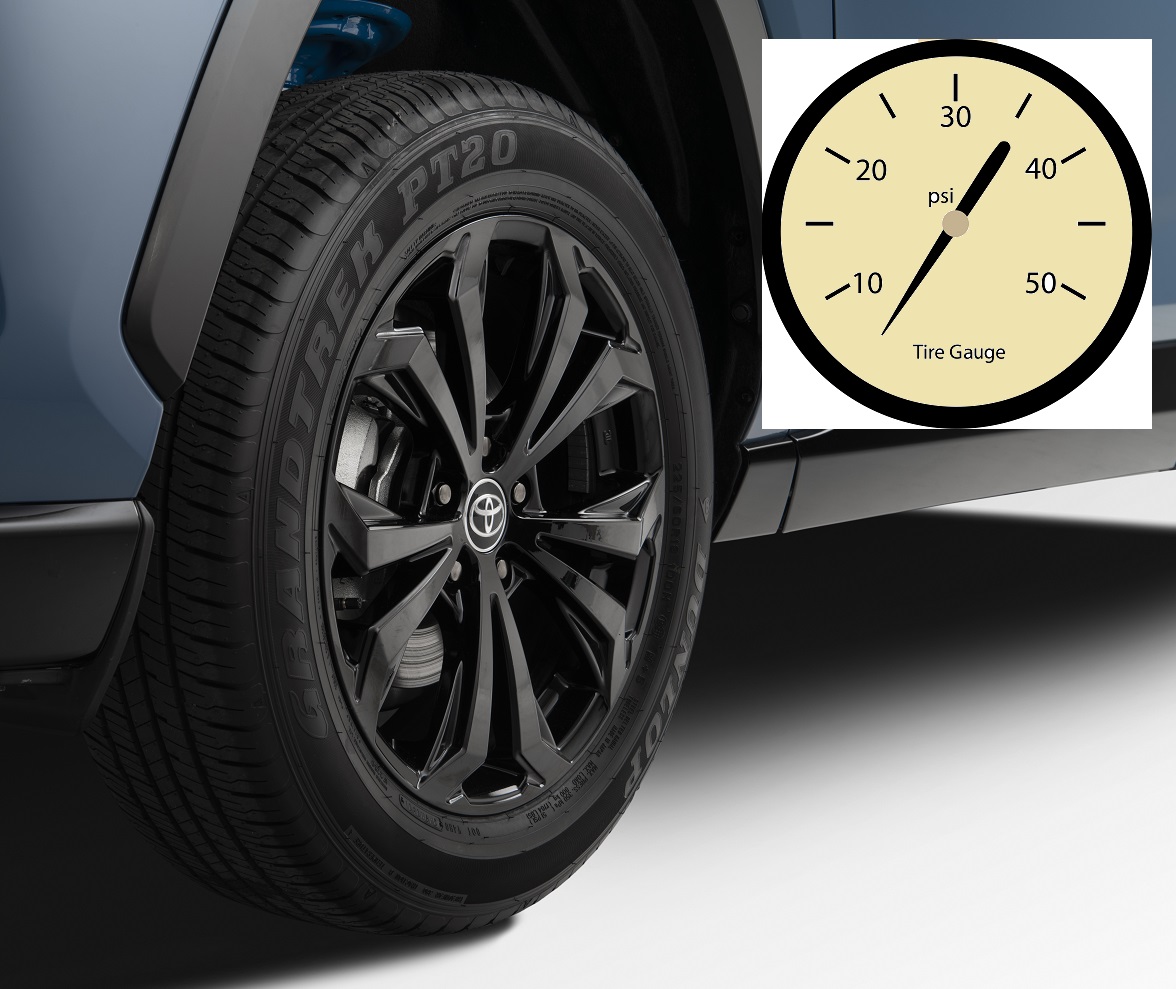
Common Causes of C1337 Lexus
- Mismatched Tires: Installing tires of different sizes, brands, or tread patterns can lead to diameter discrepancies.
- Improper Tire Inflation: Incorrect tire pressure can cause tires to expand or contract, affecting their effective diameter.
- Suspension Issues: Worn or damaged suspension components can alter the ride height, leading to variations in tire diameter.
- Wheel Misalignment: Poor alignment can cause uneven tire wear and affect the overall diameter of the tires.
- Tire Damage: Damage to a tire, such as a bulge or deformation, can result in a change in its effective diameter.
Symptoms of C1337 Lexus
- Warning Lights: The ABS or traction control warning lights may illuminate on the dashboard.
- Uneven Tire Wear: Tires may show signs of uneven wear patterns, particularly on the edges.
- Handling Issues: The vehicle may pull to one side or feel unstable during acceleration or braking.
- Vibration: Drivers may notice vibrations or a rough ride, especially at higher speeds.
- Increased Fuel Consumption: The vehicle may experience decreased fuel efficiency due to the additional strain on the drivetrain.
How to Fix C1337 Lexus
- Inspect Tire Sizes: Check all tires to ensure they are the same size, brand, and model. Replace any mismatched tires.
- Check Tire Pressure: Verify that all tires are inflated to the manufacturer's recommended pressure. Adjust as necessary.
- Examine Suspension Components: Inspect the suspension system for any worn or damaged parts that may affect ride height and tire diameter.
- Perform Wheel Alignment: Conduct a wheel alignment to ensure that all wheels are properly aligned, which can help prevent uneven tire wear.
- Replace Damaged Tires: If any tires are found to be damaged or deformed, replace them with new tires that match the specifications of the other tires.
Cost to Fix C1337 Lexus
The cost to resolve the C1337 code can vary significantly based on the specific repairs needed. For instance, replacing a single tire can range from $100 to $300, depending on the tire brand and size. A wheel alignment typically costs between $75 and $100. If suspension components need to be replaced, costs can escalate to $300 or more, depending on the parts and labor involved.
Need more information about the C1337 Lexus code?
Need more information on how to fix the C1337 Lexus code? Get Access to Factory Service Manuals
Need Help with the Code?
Get the C1337 Lexus code diagnosed by a professional: Find a repair shop in your area
Frequently Asked Questions about C1337 Lexus Code
1. What are the common symptoms of OBDII code C1337 in a Lexus related to the diameter of the tire not being uniform?
If this code is triggered, you may experience issues with the vehicle's stability control system and notice uneven tire wear.
2. What are the potential causes of the OBDII code C1337 in a Lexus?
The most common cause of this code is a discrepancy in tire sizes or inflation levels among the tires on the vehicle.
3. How can I diagnose the diameter of the tire not being uniform issue related to the OBDII code C1337 in a Lexus?
You can start by checking each tire's size and inflation pressure to ensure they are all uniform and within the manufacturer's recommended specifications.
4. Can driving with the OBDII code C1337 in a Lexus be dangerous?
Driving with this code may compromise the vehicle's stability control system, leading to decreased traction and potentially unsafe driving conditions.
5. What are some repair tips for resolving the OBDII code C1337 in a Lexus?
Ensuring that all tires are the same size and properly inflated is crucial. Additionally, a professional diagnostic scan and potential recalibration of the stability control system may be necessary.
6. Will resetting the OBDII code C1337 in a Lexus resolve the issue permanently?
Simply clearing the code without addressing the underlying cause, such as tire size discrepancies, will not permanently resolve the problem.
7. Can I fix the OBDII code C1337 issue in a Lexus on my own, or should I seek professional help?
While checking tire sizes and inflation levels can be done at home, diagnosing and repairing the specific cause of the code may require professional assistance.
8. How urgent is it to address the OBDII code C1337 in a Lexus?
It is recommended to address this code promptly to avoid further damage to the stability control system and ensure safe driving conditions.
9. Are there any preventive measures to avoid triggering the OBDII code C1337 in a Lexus?
Regularly checking tire sizes, rotations, and inflation levels can help prevent issues related to the diameter of the tire not being uniform.
10. Can extreme weather conditions contribute to triggering the OBDII code C1337 in a Lexus?
Extreme temperature changes or driving conditions can affect tire inflation levels and potentially lead to triggering this code, emphasizing the importance of regular tire maintenance.
Discuss the causes and fixes for C1337 Lexus OBDII Code
Code C1337 Lexus comments
No comments found for this page.
Fix Your Car Smarter
Try the New AutoCodes App!
Get complete OBDII diagnostics, repair solutions, and cost estimates, plus AI chat support on demand.