
P0238 Volkswagen Code - Turbo/Super Charger Boost Sensor 'A' Circuit High
Quick Answer
The P0238 diagnostic trouble code (DTC) for Volkswagen vehicles indicates a problem with the Turbo/Super Charger Boost Sensor 'A' Circuit being too high. Common causes include Faulty Turbo/Super Charger Boost Sensor, Damaged wiring or connectors in the sensor circuit, Malfunctioning turbocharger or supercharger system. Severity is High - diagnose this code as soon as possible. Driving is not recommended if the warning light is flashing, the engine runs poorly, or safety-related symptoms are present.
- What it means
- P0238 Volkswagen indicates Turbo/Super Charger Boost Sensor 'A' Circuit High.
- Common causes
- Common causes include Faulty Turbo/Super Charger Boost Sensor, Damaged wiring or connectors in the sensor circuit, Malfunctioning turbocharger or supercharger system.
- Severity
- High - diagnose this code as soon as possible.
- Can I drive?
- Driving is not recommended if the warning light is flashing, the engine runs poorly, or safety-related symptoms are present.


Fix Your Car Smarter
Try the New AutoCodes App!
Get complete OBDII diagnostics, repair solutions, and cost estimates, plus AI chat support on demand.

Code P0238 Volkswagen Description
The P0238 diagnostic trouble code (DTC) for Volkswagen vehicles indicates a problem with the Turbo/Super Charger Boost Sensor 'A' Circuit being too high. This sensor is responsible for monitoring the amount of boost pressure generated by the turbocharger or supercharger in the vehicle's engine. When the sensor detects that the boost pressure is higher than the expected range, it triggers the P0238 code, indicating a potential issue with the sensor or the circuit.

Common Causes of P0238 Volkswagen
- Faulty Turbo/Super Charger Boost Sensor
- Damaged wiring or connectors in the sensor circuit
- Malfunctioning turbocharger or supercharger system
- Vacuum leaks in the intake system
- ECM (Engine Control Module) software issues
Symptoms of P0238 Volkswagen
- Reduced engine power and acceleration
- Poor fuel efficiency
- Engine hesitation or stalling
- Check engine light illuminated on the dashboard
How to Fix P0238 Volkswagen
- Begin by diagnosing the specific cause of the P0238 code using a diagnostic scanner to pinpoint the issue.
- Inspect the Turbo/Super Charger Boost Sensor, wiring, and connectors for any damage or corrosion. Replace any faulty components.
- Test the turbocharger or supercharger system to ensure it is functioning correctly. Repair or replace any components as needed.
- Clear the DTC and reset the ECM to see if the code reappears. Test drive the vehicle to ensure the issue has been resolved.
- If the problem persists, seek professional assistance to further diagnose and repair the issue.
Cost to Fix P0238 Volkswagen
The cost of repairing a P0238 code can vary depending on the specific cause of the issue and the labor rates at the auto repair shop. In general, the cost of replacing a Turbo/Super Charger Boost Sensor can range from $100 to $300, while addressing wiring or connector issues may cost around $50 to $150. Repairing or replacing components in the turbocharger or supercharger system can be more expensive, potentially costing upwards of $500 to $1000 or more. It is advisable to contact local auto repair shops for a more accurate estimate based on the specific vehicle make and model.
Need more information about the P0238 Volkswagen code?
Need more information on how to fix the P0238 Volkswagen code? Get Access to Factory Service Manuals
Need Help with the Code?
Get the P0238 Volkswagen code diagnosed by a professional: Find a repair shop in your area
Frequently Asked Questions about P0238 Volkswagen Code
1. What does the OBDII code P0238 mean for a Volkswagen?
P0238 indicates that the Turbo/Supercharger Boost Sensor 'A' circuit is experiencing a high voltage condition, suggesting a potential issue with the sensor, wiring, or related components.
2. What are the common symptoms of code P0238 in a Volkswagen?
Symptoms may include a check engine light, reduced engine power, poor acceleration, black smoke from the exhaust, and the engine going into limp mode.
3. What causes the P0238 code to trigger in a Volkswagen?
Common causes include a faulty boost pressure sensor, damaged wiring or connectors, a malfunctioning turbocharger, or a clogged air filter.
4. Can I drive with the P0238 code on my Volkswagen?
Driving is not recommended, as the vehicle may experience reduced performance, increased emissions, or potential damage to the turbocharger and engine.
5. How do I diagnose the P0238 code on my Volkswagen?
Start by inspecting the boost pressure sensor and its wiring for damage or corrosion, checking for vacuum leaks, and testing the sensor with a multimeter to verify its functionality.
6. How do I fix the P0238 code in my Volkswagen?
Repairs may include replacing the boost pressure sensor, repairing damaged wiring or connectors, cleaning or replacing the air filter, or inspecting and servicing the turbocharger.
7. Is the P0238 code related to a faulty turbocharger?
While not always the case, a malfunctioning turbocharger can cause the P0238 code if it leads to abnormal boost pressure or sensor readings.
8. How much does it cost to repair a P0238 code on a Volkswagen?
Costs vary depending on the issue, but replacing a boost pressure sensor typically costs $100-$300, while turbocharger repairs can be significantly more expensive.
9. Can a dirty air filter cause the P0238 code in a Volkswagen?
Yes, a clogged or dirty air filter can restrict airflow, potentially leading to incorrect boost pressure readings and triggering the P0238 code.
10. Do I need professional help to fix the P0238 code on my Volkswagen?
While some issues, like replacing an air filter, can be done by DIY enthusiasts, diagnosing and repairing wiring, sensors, or turbochargers may require professional expertise.
Discuss the causes and fixes for P0238 Volkswagen OBDII Code
-
i
Hello . I recently replaced the map sensor and still have a problem. On my connector is 2x 5v and mass and probably 1 x2v. I checked the underpressure. And I cleaned the turbine. The fault is still constantly driving up to 3000 revolutions. The cables also look good. I do not know what else I can do. In general the turbo does not turn on. help!!! -
Let me check if I can find an image. What model, year, engine is your VW?
-
Here is the only images I got from the factory service manual. I hope that helps

Click here to enlarge image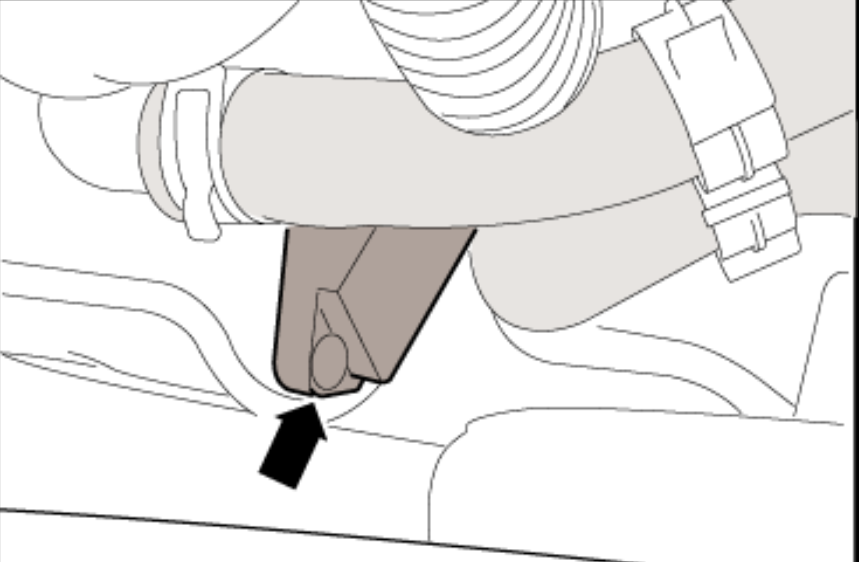
Click here to enlarge image
Fix Your Car Smarter
Try the New AutoCodes App!
Get complete OBDII diagnostics, repair solutions, and cost estimates, plus AI chat support on demand.