
B260D Code - Left Daytime Running Lamps Control Circuit
Quick Answer
The B260D diagnostic trouble code (DTC) refers to an issue with the Left Daytime Running Lamps Control Circuit in a vehicle. Common causes include Faulty wiring connections, Blown fuse related to the left DRL circuit, Malfunctioning relay that controls the left DRL. Severity is High - diagnose this code as soon as possible. Driving is not recommended if the warning light is flashing, the engine runs poorly, or safety-related symptoms are present.
- What it means
- B260D indicates Left Daytime Running Lamps Control Circuit.
- Common causes
- Common causes include Faulty wiring connections, Blown fuse related to the left DRL circuit, Malfunctioning relay that controls the left DRL.
- Severity
- High - diagnose this code as soon as possible.
- Can I drive?
- Driving is not recommended if the warning light is flashing, the engine runs poorly, or safety-related symptoms are present.


Fix Your Car Smarter
Try the New AutoCodes App!
Get complete OBDII diagnostics, repair solutions, and cost estimates, plus AI chat support on demand.

Code B260D Description
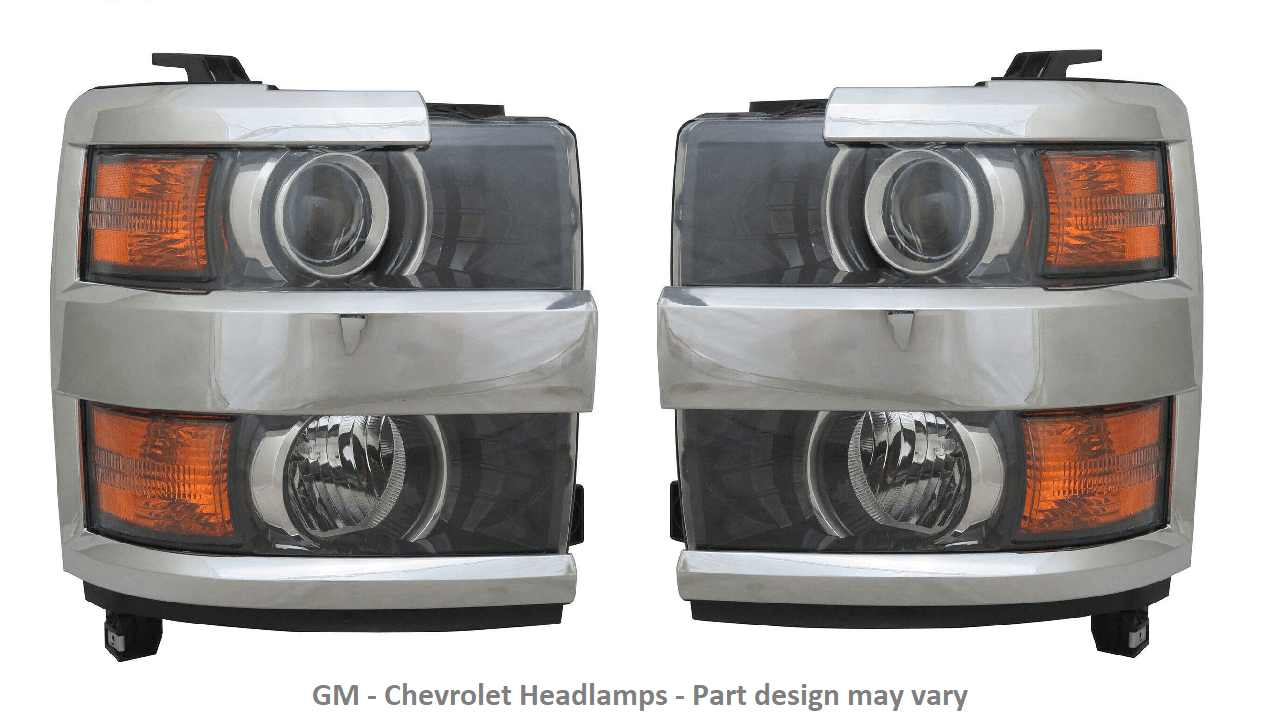
The B260D diagnostic trouble code (DTC) refers to an issue with the Left Daytime Running Lamps Control Circuit in a vehicle. Daytime running lamps (DRLs) are lights that automatically turn on when the vehicle is in operation during daylight hours. The purpose of DRLs is to increase the visibility of the vehicle to other drivers, reducing the risk of accidents. The control circuit for the left DRL is responsible for regulating the operation of the left daytime running lamp.
Common Causes of B260D
- Faulty wiring connections.
- Blown fuse related to the left DRL circuit.
- Malfunctioning relay that controls the left DRL.
- Defective DRL module.
- Corrosion or damage to the left DRL components.
Symptoms of B260D
- Left DRL not turning on during daytime operation.
- Dim or flickering left DRL.
- Dashboard warning light indicating an issue with the DRL system.
- Left DRL turning on and off intermittently.
- Left DRL staying on even when the vehicle is turned off.
How to Fix B260D
- Begin by inspecting the wiring connections related to the left DRL circuit for any signs of damage or corrosion. Repair or replace any damaged wiring.
- Check and replace any blown fuses in the left DRL circuit.
- Test the relay that controls the left DRL and replace it if necessary.
- If the above steps do not resolve the issue, inspect and potentially replace the DRL module.
- Finally, test the left DRL to ensure that it is functioning properly after the repairs have been completed.
Cost to Fix B260D
The typical repair costs for addressing the B260D code related to the Left Daytime Running Lamps Control Circuit can vary depending on the specific cause of the issue and the vehicle make and model. On average, the parts and labor for this repair could range from $100 to $300. It's important to note that diagnosis time and labor rates at auto repair shops can vary, so it's advisable to check with local shops for a more accurate estimate.
Need more information about the B260D code?
Need more information on how to fix the B260D code? Get Access to Factory Service Manuals
Need Help with the Code?
Get the B260D code diagnosed by a professional: Find a repair shop in your area
Code B260D Information for Specific Makes
- B260D Buick — Left Daytime Running Lamps Control Circuit
- B260D Cadillac — Left Daytime Running Lamps Control Circuit
- B260D Chevrolet — Left Daytime Running Lamps Control Circuit
- B260D GMC — Left Daytime Running Lamps Control Circuit
- B260D Infiniti — Steering Lock Unit
- B260D Nissan — Steering Lock Unit
Frequently Asked Questions about B260D Code
1. What are the common symptoms of OBDII code B260D (Left Daytime Running Lamps Control Circuit)?
- The common symptoms include the left daytime running lamp failing to function properly, dim or flickering light, or the lamp staying on or off inconsistently.
2. What are the possible causes of OBDII code B260D?
- The code B260D can be caused by issues such as a faulty daytime running lamp bulb, a damaged wiring harness, a malfunctioning lamp control module, or a problem with the vehicle's body control module.
3. How can I diagnose the OBDII code B260D?
- To diagnose the code B260D, you can start by visually inspecting the left daytime running lamp for any visible damage. Next, check the wiring harness for any signs of wear or corrosion. Using a multimeter, you can also test for continuity and voltage at various points in the circuit.
4. What are some repair tips for fixing OBDII code B260D?
- Repairing OBDII code B260D may involve replacing the faulty daytime running lamp bulb, repairing or replacing damaged wiring, or replacing the lamp control module. Ensure all connections are secure and properly insulated to prevent future issues.
5. Can OBDII code B260D cause other electrical problems in the vehicle?
- Yes, if left unresolved, OBDII code B260D can lead to other electrical issues in the vehicle, such as draining the battery, causing flickering lights, or triggering additional warning lights on the dashboard.
6. Is it safe to drive with OBDII code B260D active?
- While the vehicle may still be operable with code B260D, it is recommended to address the issue promptly to ensure proper functioning of the left daytime running lamp and to prevent potential electrical problems down the line.
7. How much does it typically cost to repair OBDII code B260D?
- The cost of repairing OBDII code B260D can vary depending on the specific cause of the issue and the labor rates in your area. On average, the repair cost can range from $50 for a simple bulb replacement to a few hundred dollars for more complex repairs involving modules or wiring.
8. Can I reset OBDII code B260D without fixing the underlying issue?
- Resetting the OBDII code B260D without addressing the root cause will only temporarily clear the code. The issue will likely resurface, and it is recommended to diagnose and repair the problem to prevent further issues.
Discuss the causes and fixes for B260D OBDII Code
Code B260D comments
No comments found for this page.
Fix Your Car Smarter
Try the New AutoCodes App!
Get complete OBDII diagnostics, repair solutions, and cost estimates, plus AI chat support on demand.